
What Is Dolby Atmos and Why Is It Changing Music Production?
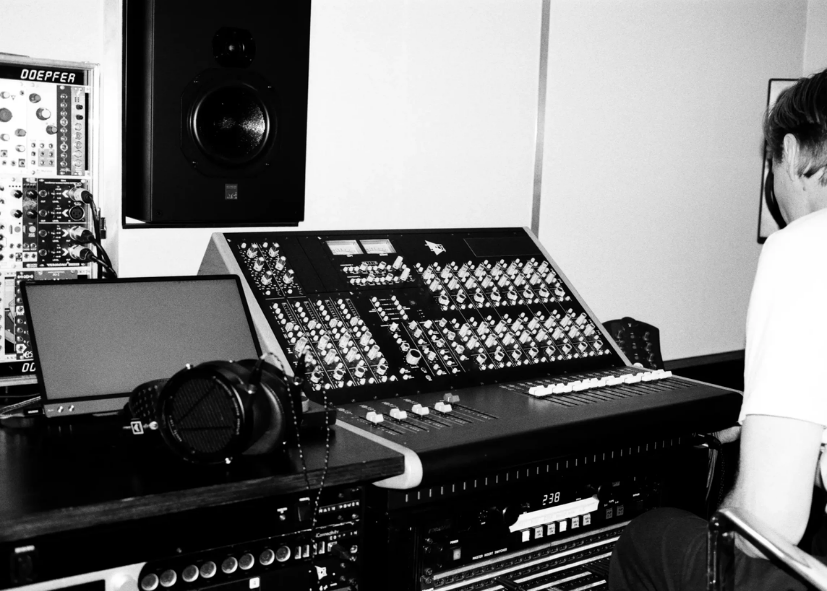
Dolby Atmos has moved from cinema screens into mainstream music production faster than almost anyone predicted. With Apple Music, Tidal, and Amazon Music now supporting spatial audio natively, the format is no longer experimental. It’s becoming the baseline expectation for professional releases. For artists, producers, and engineers working in any East London music studio today, understanding what Atmos offers is no longer optional.
How Dolby Atmos Works
Traditional stereo restricts audio to two channels, left and right. Surround sound expands that to a horizontal plane, but Atmos goes further by adding a vertical dimension. It’s an object-based format, meaning individual sounds can be placed and moved precisely within a three-dimensional space, above, below, and around the listener.
In practice, this gives mix engineers far greater control over how each element in a track is perceived. A vocal can sit directly in front of the listener while the reverb decays upwards. A synth pad can move slowly across the room. The result is a listening experience that feels spatial and immersive rather than flat.
Why Atmos Matters for Artists and Producers
-
- > Platform prioritisation. Apple Music actively promotes Atmos-enabled tracks through curated playlists and algorithmic recommendations. Artists releasing in spatial audio gain visibility that stereo-only releases do not.
-
- > Greater creative control. Atmos allows producers to separate elements that would traditionally compete for the same frequency space in a stereo mix. This means cleaner, more detailed mixes with room for every instrument and vocal to breathe.
-
- > Future-proofing your catalogue. As spatial audio adoption grows across headphones, speakers, car systems, and VR, tracks mixed in Atmos will continue to translate well across new playback environments. Stereo mixes may increasingly feel limited by comparison.
-
- > Industry direction. Major labels are already requiring Atmos deliverables alongside stereo masters for new releases. Independent artists and producers who adopt the format now position themselves alongside that standard rather than behind it.
What You Need to Record and Mix in Atmos
Working in Atmos requires more than software. A properly calibrated monitoring environment with overhead speakers is essential for making accurate spatial decisions during mixing. This is where studio recording facilities with purpose-built Atmos rooms become critical, as the format cannot be mixed reliably on headphones alone.
Equally important is working with engineers who understand object-based workflows, bed and object routing, and the delivery specifications required by different streaming platforms.
Atmos at Baltic Studios
At Baltic’s recording studios East London, our Atmos suite is designed for exactly this kind of work. From tracking through to spatial mixing and mastering, our engineering team brings hands-on experience across music, film, and broadcast Atmos production. Whether you’re an established artist looking to release in spatial audio or an emerging act exploring the format for the first time, we can help you get it right.
Interested in recording at Baltic Studios? Get in touchto book a session or discuss your project.