
What Happens at a Writing Camp? A Behind-the-Scenes Look
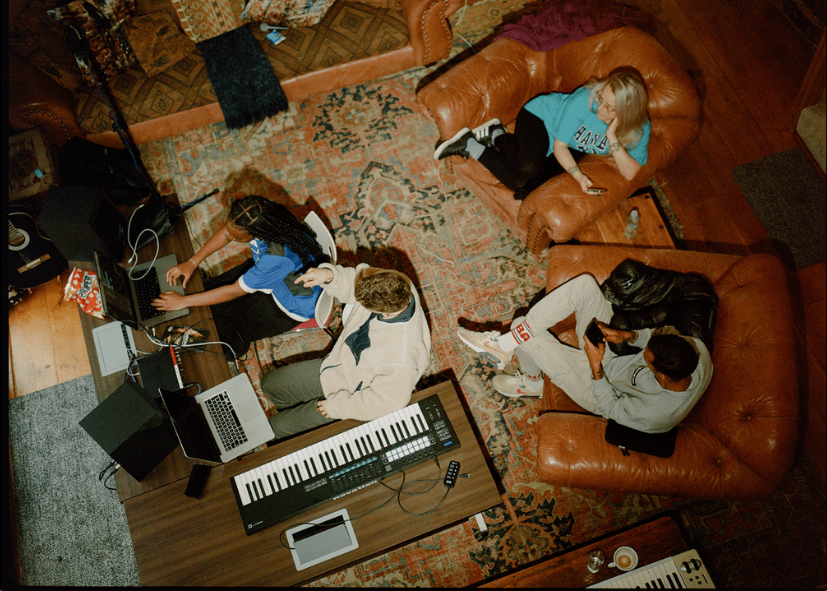
Writing camps have become one of the most effective ways to create music at pace. They bring together songwriters, producers, vocalists, and topliner specialists under one roof for an intensive burst of creativity, usually lasting anywhere from two days to a full week. The format has produced some of the biggest records of the past decade, and it is now used by major labels, independent artists, and sync teams alike. But for anyone who has never attended one, the process can seem opaque. Here is what actually happens.
The Setup
A writing camp typically takes place across multiple rooms within a studio complex. Each room is assigned a producer and a basic production setup, usually a laptop, an interface, monitors, a microphone, and a MIDI controller. Some camps run in larger recording studios London UK facilities where participants also have access to live rooms, outboard gear, and more extensive signal chains, which can elevate demos into near-finished productions within the same session.
The organisers, often a label, publisher, or A&R team, curate the lineup of writers and producers in advance. The goal is to assemble a mix of skillsets and styles that will spark unexpected combinations. A topliner who usually writes pop hooks might be paired with a producer known for electronic or R&B work. A guitarist-songwriter might end up in a room with a beatmaker they have never met. That friction is deliberate. The best writing camps are designed to push people out of their familiar patterns.
Day One: Introductions and First Sessions
The first morning usually starts with introductions. If the camp has a brief, whether that is writing for a specific artist, a sync brief, or an open catalogue session, it gets laid out here. Then the rooms are assigned and people get to work.
A typical session begins with a conversation. The writers in the room talk about references, moods, tempos, and themes before anyone touches an instrument or opens a DAW. From there, one person usually starts building a chord progression or a beat while others begin experimenting with melodies and lyric ideas. The energy is collaborative and fast. There is no time for overthinking. Most camps aim to produce a finished demo by the end of each session, which usually runs four to six hours.
By the end of day one, each room will have produced at least one demo, sometimes two. The tracks are rough but complete enough to communicate the song’s potential. Writers rotate rooms for the next session so that new pairings form throughout the camp.
The Middle Days: Momentum and Rotation
Days two and three are where the camp hits its stride. Writers have loosened up, found their rhythm, and started to understand each other’s working styles. The rotation system means that every session feels fresh. A writer who struggled in one pairing might have a breakthrough in the next.
Studios that offer multiple rooms with different capabilities give camps a real advantage here. A song that starts as a laptop demo in one room can be taken into a properly treated live room to track real drums, guitars, or strings. That jump from programmed demo to a production with live elements can transform a good idea into something that genuinely competes at a professional level.
Meals and breaks are communal, and they matter more than people expect. Some of the best creative decisions at writing camps happen over lunch, when a writer from one room hears a rough playback from another and offers a lyric idea or a structural suggestion. The social aspect is not a luxury. It is part of the creative engine.
The Final Day: Playbacks and Next Steps
The last session is usually followed by a group playback. Every song produced during the camp is played to the full room. This can be nerve-wracking, but it serves an important purpose. It lets the organisers, A&R, and the writers themselves hear the full output and identify the strongest tracks. Songs that land well in a room full of experienced writers tend to land well everywhere else too.
After the camp, selected tracks move into further production, vocal re-recording, professional mixing, and eventually release or placement. Some songs written at camps end up on major albums. Others find homes in film, TV, or advertising sync placements. A significant number never see the light of day, and that is expected. The volume approach is part of the model.
Why the Studio Matters
Not all writing camps are equal, and the facility plays a bigger role than many people realise. Camps held in studios with proper acoustic treatment, quality monitoring, and flexible room configurations consistently produce better results than those run in makeshift spaces. Access to Dolby Atmos and immersive audio capabilities is also becoming a differentiator, as more labels request spatial audio deliverables alongside stereo masters.
For anyone looking to host or attend a writing camp in one of the top recording studios London UK has available, the environment is not just a backdrop. It is a creative tool in itself. Contact our team today to discuss options.